
Operating a drone can be exciting, whether you are flying for photography, recreation, inspection work, or commercial use. But before you take off, it is important to understand the legal side of drone operation. In many places, the answer to whether you need a permit depends on where you fly, how you use the drone, how much it weighs, and whether the flight is recreational or professional. Rules can also differ between countries, states, and even local areas, so checking the requirements before each flight is essential.
Table of Contents
Understanding Drone Permit Requirements
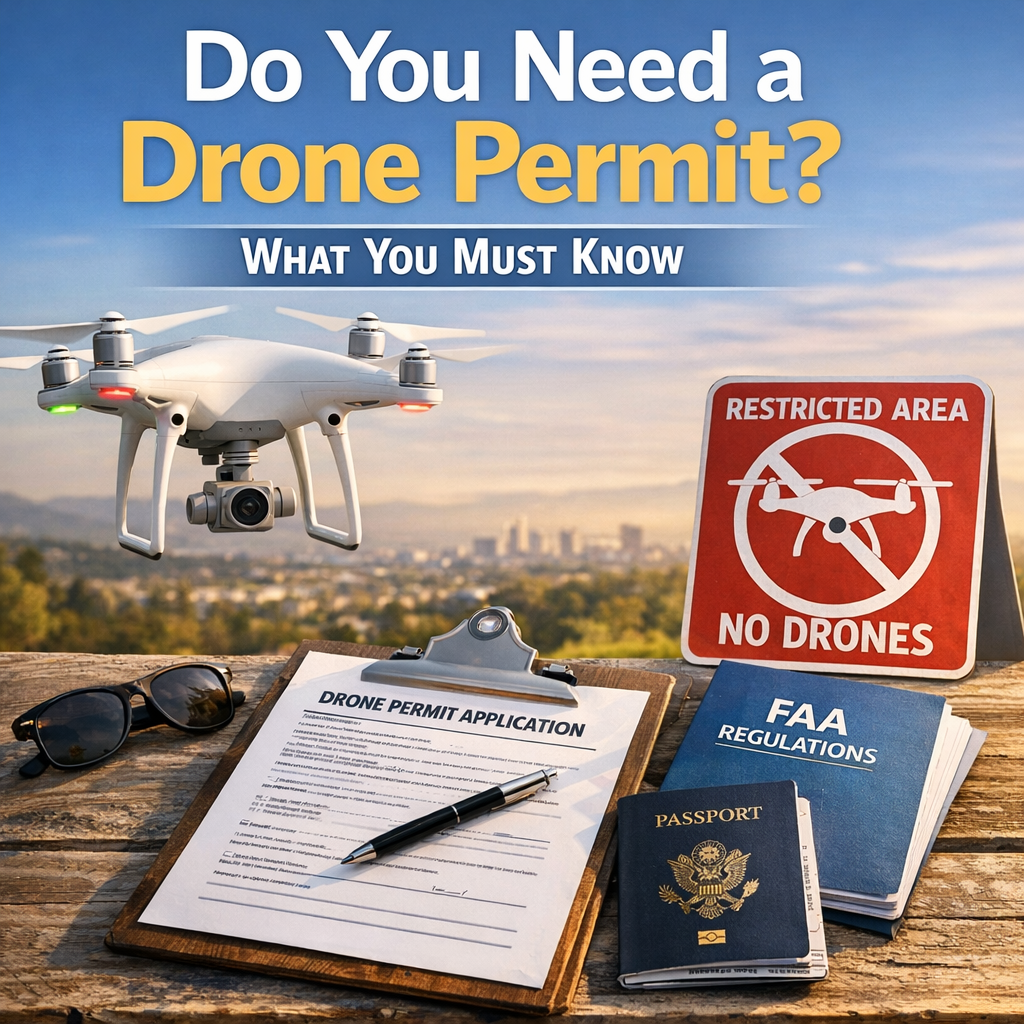
A drone permit is not always the same thing as a registration or certification requirement. In some regions, you may need to register your drone with a government agency, pass an online safety test, or obtain a special license to fly in certain situations. In other cases, a permit may be required only for specific activities, such as flying in restricted airspace, operating at night, or using a drone for business purposes.
The most important thing to know is that drone laws are not one-size-fits-all. A small toy drone flown in your backyard may require no formal permission, while a larger drone used for aerial photography over a city could trigger several legal obligations. If you are asking whether you need a permit, the answer usually begins with identifying your flight purpose and location.
For official rules and authorization tools in the United States, the FAA’s unmanned aircraft systems resource page is a reliable starting point.
It also helps to separate general rules from special approvals. In some cases, drone permit requirements are met through registration alone. In others, the operator must complete training, carry proof of certification, or apply for an operational waiver. That distinction matters because many pilots use the word “permit” loosely, even when the actual requirement is a certificate, license, authorization, or local permission slip. Taking the time to identify the exact rule can prevent confusion later.
Another reason to review drone permit requirements carefully is that the same drone can fall under different rules depending on the mission. A camera drone used for a family video may be treated one way, while the same aircraft used to record a paid event may be treated as a commercial operation. In practice, the flight purpose often matters as much as the aircraft itself.
Recreational vs. Commercial Use
One of the biggest factors is whether you are flying for fun or for work.
Recreational drone pilots usually face fewer requirements, but they are still expected to follow safety rules. Depending on the country, this may include keeping the drone within visual line of sight, avoiding airports, and staying below a certain altitude. Some jurisdictions also require hobby pilots to pass a knowledge test or register drones above a certain weight.
Commercial drone operators often need more formal authorization. If you are using a drone to make money, capture content for a business, conduct surveys, inspect property, or provide delivery services, you may need an operating certificate, remote pilot qualification, or special permit. In many places, commercial use is regulated more strictly because the activity is considered higher risk.
If you are just getting started, our Beginner Drone Guide: 7 Smart Tips for Success can help you build safe habits before your first flight.
It is also worth noting that the line between hobby and commercial use can be easy to blur. For example, posting drone footage online for personal enjoyment is usually different from creating content for a client, brand, or monetized business channel. If a flight supports paid work, marketing, surveying, or any revenue-generating activity, the operator should review drone permit requirements before launching.
New pilots sometimes assume that “small” means “unregulated,” but that is not always true. Many authorities still require registration, pilot education, or area-specific authorization even for lightweight consumer models. A careful review of drone permit requirements helps avoid surprises when a flight plan changes from casual to commercial.
Drone Weight and Classification
Drone weight can also affect whether a permit is needed. Heavier drones are often subject to stricter rules because they pose a greater safety risk if something goes wrong. Some countries classify drones by weight categories, with different requirements for registration, pilot training, and permission to fly in certain areas.
Even lightweight drones may not be completely exempt. For example, a small drone may not need a full license, but it could still need to be registered if it has a camera or exceeds a certain weight threshold. Always check the local classification system before assuming your drone is exempt.
Classification may also depend on how the drone is configured. Batteries, payloads, sensors, and accessories can change the effective operating profile. A drone used for mapping or inspection may need different paperwork than the same model flown empty for recreation. When in doubt, compare the manufacturer’s specifications with the official guidance from your aviation authority so your interpretation matches the legal definition.
Weight categories are especially important for international travelers. A drone that is legal to use at home may fall into a different class abroad, and drone permit requirements may change the moment you cross a border. If you plan to travel with a drone, review the destination country’s rules before packing your gear.
Where You Plan to Fly Matters
Location is another major factor. A drone that is allowed in one place may be prohibited just a few miles away.
Airports and Controlled Airspace
Flying near airports, helipads, or other controlled airspace usually requires special permission. These areas are closely monitored because drones can interfere with aircraft operations and create serious hazards. In many cases, you must request authorization through an official system before flying nearby.
Even if you are not close to an airport, the airspace above you may still be restricted for military bases, government buildings, emergency response zones, or special events. In these cases, a permit or prior approval may be mandatory.
Airspace restrictions are one of the most common reasons people search for drone permit requirements. The rules may seem straightforward on a map, but temporary restrictions can appear with very little notice. A sporting event, wildfire, natural disaster, or VIP visit can all trigger short-term no-fly areas. That is why it is best to verify the airspace each time you plan a flight.
Private Property and Public Spaces
Some people assume that if they are not near an airport, they are free to fly anywhere else. That is not always true. You may still need permission to launch from private property, and local rules may limit drone use in parks, beaches, stadiums, or crowded public areas.
Property owners and local authorities can impose additional restrictions beyond national aviation rules. For example, a city park may require a permit for any drone flight, even if national law allows recreational use. This is why it is wise to check both aviation regulations and local ordinances.
Public-space rules can be especially important for visitors. A location that appears open and accessible may still require advance approval from the land manager, city council, or event organizer. Drone permit requirements can also depend on whether the area is managed by a municipality, state park service, national park authority, or private venue. Before flying, confirm who controls the land and what documentation they expect.
If you are flying close to home, it may be helpful to read about local property concerns in our article on Drone in Backyard: Is It Legal to Fly a Drone at Home? That topic often overlaps with privacy rules, neighbor concerns, and local restrictions.
Common Situations That May Require a Permit
There are several common scenarios where a permit or special authorization may be needed.
Night Flights
Flying after dark often comes with extra requirements. Visibility is reduced at night, which increases the chance of accidents. Some regulators allow night operations only if the pilot has additional training, proper lighting on the drone, or explicit approval.
Night operations are often misunderstood because they may look simple in social media videos. In practice, however, night flights can be more difficult to judge, especially when estimating distance, altitude, and orientation. That is why drone permit requirements for evening flights are often stricter than daytime rules.
Flying Over People or Moving Vehicles
Operating over crowds, events, or moving traffic is usually tightly controlled. Authorities often treat these flights as higher risk because a mechanical failure could injure someone or cause property damage. Special waivers or permits may be required for these operations.
Operators who need footage at festivals, sports events, parades, or roadways should plan well in advance. The legal process may include a risk assessment, insurance proof, pilot qualification, and coordination with event organizers. In other words, the answer to drone permit requirements for these flights is often yes, especially when people are gathered below.
Beyond Visual Line of Sight
Most drone rules require the pilot to keep the drone within visual line of sight. If you want to fly farther than you can safely see, you may need an exemption, permit, or advanced operating approval. These flights are common in industrial, agricultural, and research applications, but they are rarely allowed without special authorization.
Beyond visual line of sight operations typically demand more planning than casual flying. Pilots may need extra observers, communications procedures, detect-and-avoid technology, or a written safety case. Because the risk profile is higher, drone permit requirements for these flights are usually much more detailed than ordinary recreational rules.
Professional Filming and Photography
Using a drone for commercial filming can also require permission, especially in busy urban environments, at cultural landmarks, or on managed land. Film crews often need coordinated approvals from aviation authorities, property owners, and local agencies.
Production teams should also think about sound, privacy, and timing. A drone may be legally allowed overhead but still create issues if it disrupts the public or conflicts with venue policy. That is why drone permit requirements for filming should be reviewed alongside local site rules and production insurance requirements.
For people building a career with a drone, it can be useful to understand related licensing costs and training paths. Our guide on Drone Pilot License Cost: What to Expect in 2026 explains what new operators may need to budget for before taking on paid work.
How to Find Out What Applies to You
The best way to determine whether you need a permit is to check the official rules where you plan to fly. Start with your national aviation authority, then look at state, provincial, and municipal rules if applicable. Many agencies publish clear guidance on their websites, including registration steps, pilot requirements, and maps of restricted airspace.
When reviewing the rules, ask yourself these questions:
- Is my flight recreational or commercial?
- Does my drone exceed the registration threshold?
- Am I flying near airports or restricted airspace?
- Do local park or city rules apply?
- Is the flight taking place at night, over people, or beyond visual line of sight?
If any of these answers raise concern, a permit or special approval may be necessary.
For longer flights, it can also help to compare your location with altitude limits and airspace boundaries. Our guide to Drone Altitude Limits: FAA Rules Explained is a useful companion resource.
To make the process easier, create a simple pre-flight checklist. Include the location, purpose, date, time, estimated altitude, launch point, and any nearby hazards. Then check whether your flight is inside controlled airspace, near sensitive facilities, or subject to local restrictions. A short checklist can save time, and it may also help you decide whether drone permit requirements apply before you commit to a flight plan.
Keep Documentation Handy
If you do need a permit, registration, or certification, keep copies of all documents with you or accessible digitally before flying. Some authorities may ask for proof of registration or pilot qualification. Having your paperwork ready can save time and help you avoid fines or flight interruptions.
It is also smart to keep a record of where and when you checked the rules. If a question comes up later, you will have evidence that you reviewed the current guidance. Many pilots store screenshots, permit numbers, and approval emails in one folder so they can quickly show compliance when needed.
Why Compliance Matters
Following drone regulations is not just about avoiding penalties. It is about safety, privacy, and responsible airspace use. Drones are relatively small, but they can still cause injuries, damage property, interfere with emergency operations, or create privacy concerns if flown carelessly.
Operators who ignore the rules risk fines, confiscation of equipment, liability for accidents, and loss of future flying privileges. In more serious cases, unauthorized flights can lead to criminal charges. Staying informed is the best way to protect yourself and others.
Compliance also helps maintain public trust. When pilots act responsibly, landowners, neighbors, and local officials are more likely to support legitimate drone use. That support matters because easier access to airspace often depends on the industry’s overall reputation. Responsible pilots who follow drone permit requirements help protect access for everyone.
There is also a practical business reason to stay compliant. Clients, insurers, and event organizers often ask for proof that the operator has the right approvals. If you cannot show a permit or license when required, you may lose work or be removed from a project. In many cases, being proactive about drone permit requirements is part of being a professional.
Tips for Flying Legally and Safely
A few simple habits can make it easier to stay compliant:
Check Before Every Flight
Rules can change based on weather, special events, temporary restrictions, or emergency operations. A location that was open yesterday may be restricted today. Before each flight, confirm whether your drone permit requirements have changed.
Use Official Airspace Tools
Many aviation authorities provide apps or online tools that show no-fly zones, altitude limits, and authorization requirements. These tools are especially useful when planning flights near cities or airports.
Read the Manufacturer’s Guidance
Drone manufacturers often include recommended safety practices and geofencing features. These are helpful, but they do not replace legal requirements.
Stay Current on Training
Even if a formal permit is not required for every flight, safety education can help you avoid mistakes. Regulations evolve, and pilots who understand the basics are better prepared to operate responsibly. Keeping up with drone permit requirements can save time later.
Plan for Weather and Visibility
Wind, rain, fog, and glare can make a legal flight unsafe in practice. Even when drone permit requirements are satisfied, a pilot should still evaluate whether the conditions allow for safe control, return-to-home reliability, and good visual awareness. Conservative judgment is often the difference between a smooth flight and an avoidable incident.
Respect Privacy and Noise Concerns
Legal permission to fly does not automatically mean every flight is a good idea. People are more likely to complain if a drone lingers over homes, backyards, or quiet neighborhoods. Flying courteously, avoiding unnecessary hovering, and limiting noise-sensitive hours can reduce complaints and help preserve access for future flights.
Final Thoughts
So, do you need a permit to operate a drone? In many cases, the answer depends on how, where, and why you are flying. Recreational pilots may only need to register their drone or follow basic safety rules, while commercial operators and pilots flying in restricted conditions may need a permit, certification, or special authorization. Because the rules vary so widely, the safest approach is to verify the requirements for your exact flight location and purpose before every takeoff.
By understanding the regulations and preparing ahead of time, you can enjoy flying while staying compliant, safe, and respectful of the people and places around you. If you are still unsure, review the latest drone permit requirements from your local aviation authority before you fly.
Keeping a clear process for drone permit requirements also makes flying less stressful. Once you know which agency controls the airspace, which approvals apply, and which documents to carry, planning becomes much easier. That preparation lets you focus on the flight itself instead of worrying about surprises.
In short, the best answer is to treat each flight as a separate decision. Check the rules, confirm the location, review the purpose, and make sure the right permissions are in place. With a little preparation, drone permit requirements become manageable rather than confusing, and you can fly with more confidence every time.




Add comment