
Flying a drone in backyard spaces may seem harmless, but whether it is legal depends on where you live, how you use the drone, and what airspace rules apply in your area. In many places, hobbyists can fly drones on their own property, but that does not mean they can do so without limits. Privacy laws, local ordinances, safety regulations, and aviation rules can all affect what is allowed. If you want to use a drone at home, it is important to understand both the rights you may have and the restrictions that can still apply.
Table of Contents
- The Short Answer: Sometimes, But Not Always
- What Makes Backyard Drone Use Legal or Illegal?
- Can You Fly a Drone Over Your Own Property?
- Common Rules to Follow When Flying at Home
- What About Flying at Night?
- Can Neighbors Stop You?
- Commercial vs. Recreational Use
- Best Practices for Safe and Legal Backyard Flights
- When to Seek More Information
- How to Check if a Drone in Backyard Use Is Legal
- Common Mistakes That Cause Problems
- When Backyard Flying Is a Good Idea
- Final Thoughts
The Short Answer: Sometimes, But Not Always
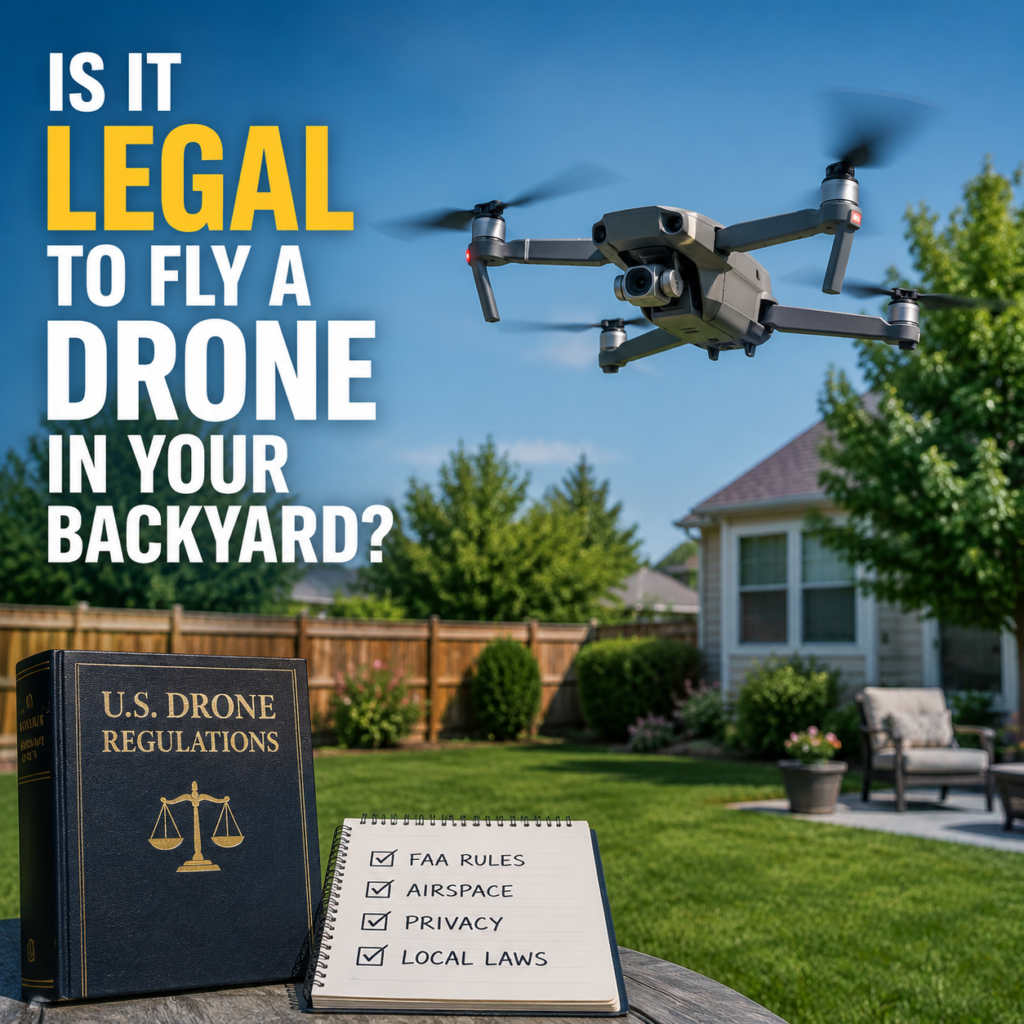
In many cases, yes, you can fly a drone in backyard areas. However, “legal” does not mean “anything goes.” Drone use is often regulated by national aviation authorities, state or provincial laws, and city or neighborhood rules. Even if your backyard is private property, the airspace above it may still be subject to regulation.
The key issue is that ownership of land usually does not give someone unlimited control over the air above it. At low altitudes, drones can still interfere with privacy, safety, and nearby property. That is why governments place restrictions on drone operation, even for recreational flyers using a drone on their own land.
In practical terms, a drone in backyard flight is usually safest when it stays low-risk, visible, and well away from people, windows, roads, and restricted airspace. The more controlled the flight, the less likely it is to create legal or safety issues.
What Makes Backyard Drone Use Legal or Illegal?
Several factors determine whether flying a drone at home is allowed. Understanding these can help you avoid fines, complaints, or legal trouble.
1. National Aviation Rules
Most countries have a central aviation authority that governs drone use. These rules may cover:
- Maximum flight altitude
- Line-of-sight requirements
- Registration requirements
- No-fly zones near airports, schools, or critical infrastructure
- Rules for flying over people or private property
For example, in the United States, the Federal Aviation Administration sets rules for recreational and commercial drone flights. For current guidance, see the FAA’s official Unmanned Aircraft Systems page. In other countries, similar agencies do the same. Even if you are just flying in your backyard, these rules still apply.
If you are trying to understand the basics before your first flight, a drone in backyard use case should always start with the national rules first. That way, you can tell whether your planned flight is allowed before you even power on the aircraft.
2. Local and Municipal Ordinances
Cities, towns, and counties may have additional rules. Some local governments restrict drone takeoff and landing in parks, residential areas, or crowded neighborhoods. Others may have noise limits or privacy protections that affect backyard flights.
A local rule might not ban drones entirely, but it could limit when, where, and how you can use them. For example, a city may prohibit drone flights during certain hours if the drone creates a disturbance for neighbors.
In some communities, a drone in backyard flight may be fine on one street but restricted on another because of local zoning, park boundaries, or special nuisance rules. That is why checking the city website or local bylaws matters just as much as reading national guidance.
3. Privacy Laws
One of the biggest legal concerns with backyard drone use is privacy. A drone equipped with a camera can easily capture images or video of nearby homes, windows, pools, or private gatherings. Even if your intention is innocent, flying over or recording neighboring property can create legal problems.
Privacy laws vary widely, but common issues include:
- Recording people without consent
- Capturing images of private spaces
- Using a drone in backyard areas in a way that harasses or invades privacy
- Publishing footage without permission
If your drone can see into a neighbor’s yard or home, even accidentally, that can lead to complaints or legal claims in some areas. A careful pilot treats the camera as a responsibility, not just a feature.
4. Safety and Liability Concerns
Even when a flight is technically allowed, it can still become a problem if it creates danger. A drone that crashes into a fence, hits a person, startles a pet, or damages a car may lead to liability claims. That is one reason why operators should keep backyard flights short, controlled, and predictable.
A drone in backyard environment can be especially risky when children are playing, pets are roaming, or the space is cluttered with trees and patio furniture. The more obstacles in the area, the more careful you need to be.
Can You Fly a Drone Over Your Own Property?
Usually, you can fly a drone over your own yard, but only within the limits of the law. Your property rights do not automatically extend indefinitely upward into the sky. Aviation regulations still control the airspace, and safety rules still matter.
A low-altitude drone flight is more likely to raise concerns if:
- It enters a neighbor’s property
- It hovers near people, pets, or vehicles
- It creates noise or disturbance
- It is flown recklessly or too close to buildings
In short, flying over your backyard is often allowed, but crossing into someone else’s space can quickly become an issue. If you use a drone in backyard settings, it helps to imagine a safety bubble around the flight area and keep the aircraft well inside it.
It is also wise to think about takeoff and landing. A drone may begin in your yard, but if it rises or drifts beyond the area you intended, that can still create legal or practical concerns.
Common Rules to Follow When Flying at Home
If you want to enjoy backyard drone flights without legal trouble, it helps to follow a few basic practices.
Keep the Drone Within Sight
Many jurisdictions require you to keep the drone within your visual line of sight. That means you should be able to see it directly without relying only on a screen or camera feed. This rule helps reduce the risk of crashes and keeps the drone under control.
For a drone in backyard flight, line of sight is usually easy to maintain, which makes it one of the best places to practice safe control skills. Still, trees, roofs, and fences can block your view more quickly than many beginners expect.
Avoid Flying Too High
Most drone regulations set a maximum altitude. Flying higher than allowed can put your drone into controlled airspace or interfere with manned aircraft. Even if you are only in your backyard, altitude limits still apply.
That is why it is smart to learn the local ceiling before you launch. If you want a deeper explanation, see Drone Altitude Limits: FAA Rules Explained. Understanding altitude rules is one of the easiest ways to keep a drone in backyard operation compliant.
Stay Away From Neighbors
A drone in backyard settings should not drift into adjacent properties, hover over a neighbor’s patio, or peer into windows. Respecting boundaries reduces the risk of complaints and legal issues.
Even when a drone is technically above your own land, the way it is used still matters. If the aircraft is pointed toward a neighbor’s private space for an extended period, that may create suspicion or conflict, especially if it appears to be recording.
Check for Airspace Restrictions
Before flying, check whether your area is near an airport, helipad, military site, or other restricted zone. Some backyards may be located in airspace where drone use is limited or prohibited.
This step is especially important if you live in a dense suburban area or near a transport corridor. A quick pre-flight check can prevent a drone in backyard session from becoming a serious airspace violation.
Be Mindful of Noise and Safety
Even a small drone can be loud enough to bother neighbors. More importantly, drones can injure people or damage property if they fall or crash. Make sure your flight area is clear of children, pets, and breakable items.
Safe backyard flying also means choosing the right time of day and watching weather conditions. Gusty wind, bright glare, and poor visibility can make a routine drone in backyard flight much harder than expected.
What About Flying at Night?
Night flights are often more restricted than daytime flights. Depending on where you live, you may need extra lighting, special authorization, or specific training to fly after dark. A backyard does not automatically exempt you from these requirements.
If you want to fly at night, check the rules carefully. Darkness makes it harder to keep the drone in backyard sight and increases the risk of accidents.
Night flying may also increase the chance of complaints because lights, motor noise, and movement can stand out more in quiet residential areas. If your goal is simply to practice, daytime is usually the safer and easier option.
Can Neighbors Stop You?
Neighbors may not have the authority to ban your drone outright, but they can still complain if they believe you are violating privacy, making excessive noise, or flying unsafely. In some cases, repeated complaints can trigger inspections, fines, or legal action.
A good relationship with neighbors goes a long way. If you plan to use a drone regularly, letting nearby residents know can help reduce concern. Transparency often prevents misunderstandings before they become disputes.
For many homeowners, the biggest concern is not the drone itself but how it is used. A considerate drone in backyard routine usually goes unnoticed, while repetitive hovering, filming, or noisy flights are more likely to cause friction.
Commercial vs. Recreational Use
The rules may be stricter if you are flying for business purposes, even in your own backyard. Recreational use and commercial use are often treated differently under aviation law. If you are taking photos for a client, filming content for monetization, or using the drone as part of a paid service, you may need additional certification or permissions.
This distinction matters because many people assume “it’s just in my yard” means fewer restrictions. In reality, the purpose of the flight can change the legal requirements.
If you are unsure which category you fall into, treat the flight conservatively. A drone in backyard setup may look simple, but the legal classification can depend on why you are flying and whether the footage supports a business activity.
Best Practices for Safe and Legal Backyard Flights
To reduce risk, follow these practical tips:
- Read your drone’s manual and know its limitations
- Register the drone if required by law
- Update firmware and calibrate the equipment before flying
- Inspect the area for trees, wires, people, and pets
- Use privacy-conscious camera settings
- Keep a copy of local drone rules handy
- Fly only in good weather and daylight when possible
If you are still learning, a Beginner Drone Guide: 7 Smart Tips for Success can help you build good habits before your first flight. These steps can help you stay compliant and avoid accidents.
It is also smart to learn more about drone altitude limits so you do not accidentally fly into restricted airspace. Knowing the ceiling for your flights is one of the simplest ways to stay safe.
Many new pilots also find it helpful to think through whether a drone is worth buying in the first place, especially if backyard use is the main goal. If that is you, see Drone Worth Buying? Honest Pros and Cons.
If your drone has advanced safety features, such as obstacle avoidance or a return-to-home function, learn how they work before you depend on them. A drone in backyard flight can still go wrong if the pilot assumes the software will handle every situation.
Before takeoff, do a quick checklist: battery level, propeller condition, controller connection, weather, nearby people, and any local restrictions. That simple routine reduces the chance of mistakes and makes each flight more predictable.
When to Seek More Information
If you live in an apartment with a shared yard, a dense neighborhood, or a place with strict local rules, you should look up the specific regulations for your area before taking off. Laws can differ significantly between cities, states, and countries. What is allowed in one location may be restricted just a few miles away.
If your intended flight involves filming neighbors, flying near property lines, or using the drone for work, it is especially important to check the rules first. A little research can save you from much bigger problems later.
For broader guidance on ownership and airspace concerns, it can also help to review the FAA’s recreational drone rules and any local planning or nuisance ordinances that apply where you live.
A drone in backyard flight is most likely to stay trouble-free when you verify the rules before you fly, not after someone complains.
How to Check if a Drone in Backyard Use Is Legal
If you want a simple process, use these steps before each new location or new type of flight:
- Check your national aviation authority’s drone rules.
- Review your city, town, or county ordinances.
- Confirm whether your property is near airports or restricted airspace.
- Look for privacy laws that apply to cameras or recording devices.
- Ask whether the flight is recreational or commercial.
- Make sure the drone stays within sight and within altitude limits.
Following this list takes only a few minutes, but it can prevent confusion later. If your drone in backyard plan passes all six checks, you are in a much better position to fly responsibly.
For readers in the United States, the FAA’s recreational guidance is the best starting point because it explains the core requirements that apply to most hobby flights. After that, local rules fill in the details that matter in your area.
Common Mistakes That Cause Problems
Many backyard drone issues come from simple mistakes rather than deliberate rule-breaking. The most common ones include:
- Launching before checking local restrictions
- Assuming a backyard automatically means private freedom in the airspace above it
- Flying too close to a neighbor’s yard or window
- Ignoring noise complaints
- Letting the drone drift out of visual range
- Using camera footage carelessly
These mistakes are easy to avoid once you know what to watch for. A drone in backyard flight should feel routine, not rushed. If anything about the area feels uncertain, take the extra time to verify the rules and adjust your plan.
When Backyard Flying Is a Good Idea
Backyard flying can be a great option when you want a controlled place to practice takeoffs, landings, hovering, and basic maneuvering. It is often less risky than learning in a public park or open field with more variables. For beginners, the home yard can be a useful training space as long as the area is clear and the rules are respected.
A drone in backyard practice session is especially useful for learning how your drone responds to the sticks, how long the battery lasts, and how the camera behaves in real conditions. That kind of experience can make you a safer pilot before you move on to more advanced flights.
If you are still building confidence, it may help to start with short flights, keep the drone low, and practice one skill at a time. Slow progress is usually safer than trying to do too much at once.
Final Thoughts
Flying a drone in backyard spaces is often allowed, but it is not automatically legal in every situation. The answer depends on national aviation rules, local ordinances, privacy laws, and how responsibly you operate the aircraft. If you stay within the law, respect your neighbors, and follow safety guidelines, backyard drone flying can be an enjoyable and lawful hobby.
The best approach is to treat your yard as a starting point, not a legal free pass, and make sure every flight respects both the rules and the people around you. Before you fly, check the airspace, review local requirements, and think about whether the flight is truly safe and considerate.
In other words, a drone in backyard use case can be simple, but the rules are not always simple. Check the law first, fly carefully, and keep your flights respectful of everyone nearby.




Add comment