
A drone cost can range from under $200 to several thousand dollars, depending on what you want it to do, how easy it is to fly, and how advanced its camera and flight features are. For someone just getting started, the price of a reliable drone may seem confusing because models vary so widely in build quality, performance, and safety features. The short answer is that a good drone is not always the most expensive one, but it is usually one that matches your needs, skill level, and budget.
What affects drone price?
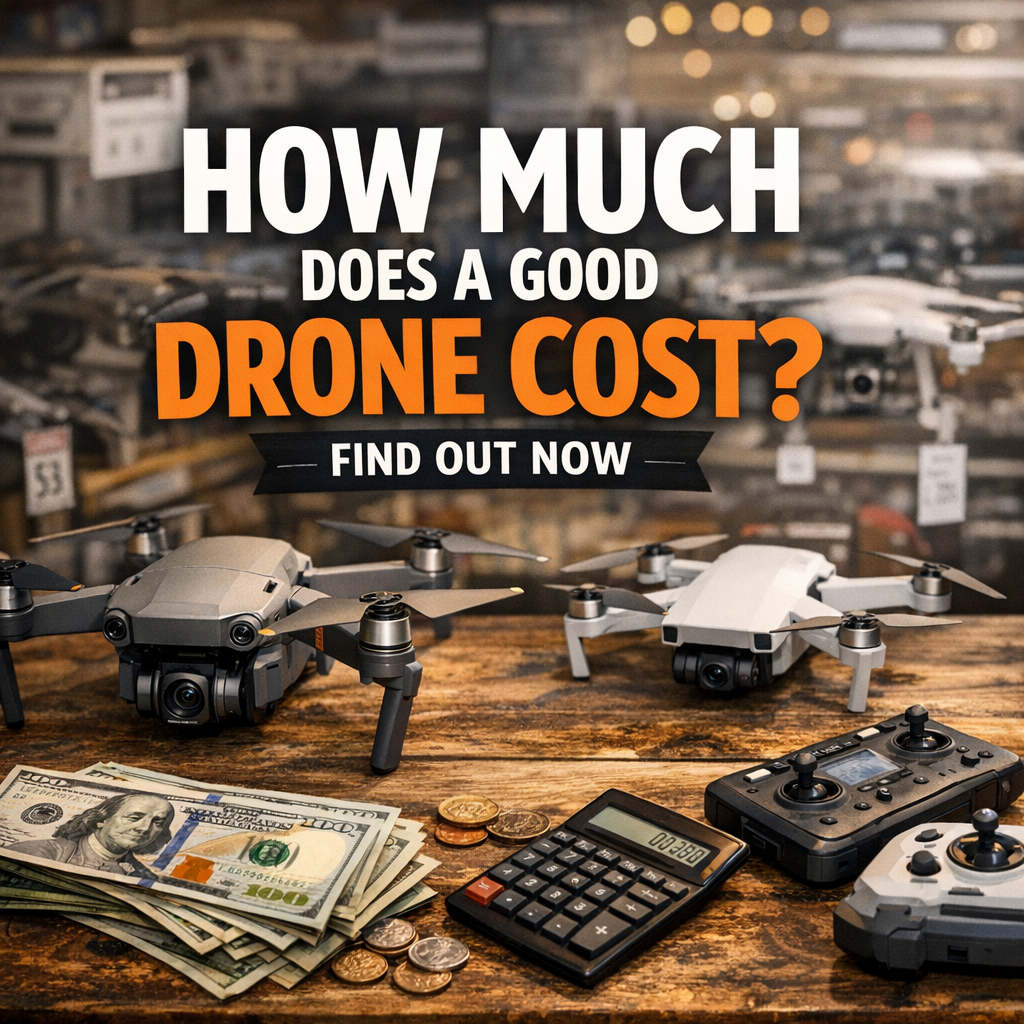
Drone pricing is influenced by more than just size or brand name. Several factors determine whether a drone is considered entry-level, mid-range, or professional-grade. Understanding these differences makes it easier to judge what “good” means for your situation.
Camera quality
One of the biggest price drivers is the camera. Drones with basic cameras for casual photos and video tend to be much cheaper than drones with 4K or 5.1K resolution, large sensors, and advanced stabilization. If you want smooth aerial footage or professional-looking images, expect to pay more for better optics and a stronger gimbal system.
Flight time and battery life
Battery performance also plays a major role in cost. Lower-priced drones often offer 10 to 15 minutes of flight time per battery, while better models may last 25 to 40 minutes or more. Longer flight time usually means larger batteries, smarter power management, and higher costs. Many buyers overlook this and later discover that they need extra batteries, which can quickly add to the total investment.
Range and transmission system
A drone’s control range and signal stability matter a lot, especially if you plan to fly outdoors or capture content from a distance. Cheaper drones may use simpler Wi-Fi connections with limited range and more lag. More advanced drones often use dedicated transmission systems that provide a stronger signal, better live video quality, and a safer flying experience. These features increase the overall price but can be well worth it.
Safety and smart features
Many good drones include obstacle avoidance, automatic return-to-home, GPS positioning, follow-me modes, and subject tracking. These features are especially valuable for beginners or content creators who want smoother operation and fewer crashes. While you can find some budget drones with basic safety tools, the more advanced systems are usually found in mid- to high-end models.
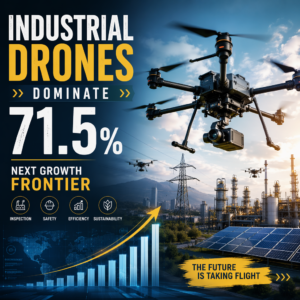
For buyers comparing options, it can also help to review how different drone categories are used in practice. This guide on how industrial drones are transforming different industries shows why features and pricing can vary so much across use cases.
Typical drone price ranges
To answer the question of cost more clearly, it helps to break drones into general price categories. While prices vary by brand and included accessories, these ranges give a realistic picture of what buyers usually spend.
Budget drones: under $200
Drones in this range are often designed for beginners, kids, or casual flyers. They may include a camera, simple controls, and basic flight stability, but they usually lack strong wind resistance, long battery life, and advanced imaging. A good drone under $200 can be fun and useful for learning, but it may not be ideal if you want high-quality footage or dependable outdoor performance.
This category is best for:
- First-time flyers
- Indoor practice
- Casual recreational use
- Buyers on a tight budget
Mid-range drones: $200 to $800
This is where many people find the best balance between price and performance. Drones in this range often offer better cameras, longer flight times, improved stabilization, GPS, and more dependable control. For hobbyists, travelers, and social media creators, this category often provides excellent value.
A good drone in this price range can handle:
- Clearer photo and video capture
- More stable outdoor flying
- Smarter flight modes
- Better battery efficiency
- A more durable overall build
For many users, a drone in the mid-range category is the sweet spot.
High-end drones: $800 to $2,000 and beyond
Once you move into this range, you are paying for premium camera systems, advanced navigation, superior transmission, obstacle sensing on multiple sides, and highly refined flight performance. These drones are often used by professionals, filmmakers, surveyors, and serious enthusiasts who need reliability and image quality above all else.
They typically include:
- Large camera sensors
- Better low-light performance
- Stronger wind resistance
- Longer ranges
- More robust safety and automation features
If aerial imaging is part of your job or business, the higher price can make sense because it saves time and produces better results.
What makes a drone “good”?
Price alone does not determine quality. A drone is good when it performs well for your intended use. A model that is perfect for beginners may not suit a filmmaker, and a professional drone may be too complex for a casual user.
Ease of use
For many buyers, a good drone is one that is easy to learn and control. Features like one-touch takeoff, stable hovering, beginner flight modes, and automatic landing can make a huge difference. If you are new to flying, ease of use may matter more than raw speed or camera specs.
Stability and reliability
A drone should hold position well, respond consistently, and behave predictably in flight. Poor stability can lead to shaky footage, crashes, and frustration. A good drone feels balanced and reliable, especially in mild wind and during hovering.
Camera performance
If photography or video is your goal, image quality becomes one of the most important measures of value. A good camera drone does not just shoot in high resolution; it also captures color accurately, handles motion smoothly, and performs well in different lighting conditions.
Durability and support
A well-built drone should withstand normal use and occasional mistakes. It also helps if the manufacturer offers replacement parts, spare batteries, and customer support. Even the best drones can need propellers, motors, or repair services over time, so post-purchase support matters more than many shoppers expect.
Hidden costs to consider
When asking how much a good drone costs, the sticker price is only part of the story. Accessories and ongoing expenses can significantly affect your total budget.
Extra batteries
Most drone owners eventually want more airtime, and extra batteries can be expensive. This is especially true for popular camera drones, where official batteries may cost a meaningful portion of the drone itself.
Memory cards and cases
If your drone records video, you may need a fast memory card to handle the footage properly. A protective carrying case can also be a smart purchase, especially if you travel frequently or fly outdoors.
Registration, insurance, and training
Depending on where you live and how you use the drone, you may need to register it or follow local regulations. Some users also choose insurance for added protection. New pilots may want to invest in practice time or beginner lessons to avoid costly crashes. For official flight safety information, the FAA drone rules and guidance are a useful reference.
How to choose the right price point
The best way to decide how much to spend is to think about how you will use the drone.
For beginners
If you are learning to fly, start with a lower-cost or mid-range drone that includes safety features and is forgiving to operate. Spending too much too soon can be frustrating if you are still building confidence.
For hobbyists
If you want a drone for weekend flying, travel, or content creation, mid-range models usually offer the best value. They provide a noticeable step up in camera quality and flight performance without reaching professional pricing.
For professionals
If your work depends on aerial footage, mapping, inspections, or commercial content, a high-end drone may be the right investment. In this case, reliability, camera quality, and time-saving automation can justify the cost.
For buyers focused on long-term value
It is often smarter to compare total ownership cost instead of only the first purchase price. A slightly more expensive drone with better durability, stronger batteries, and reliable support can save money over time. If you need a practical example of a feature-rich option, the LS-S8S Triple Camera Brushless Drone shows how advanced features can affect price in the real world.
How much does a good drone cost for different users?
If you want a quick rule of thumb, the right budget depends on the type of flying you plan to do. A beginner who just wants to practice can start at the lower end of the market. A hobbyist who wants better photos and smoother flight will usually be happier in the mid-range. A business user, content creator, or inspection operator may need to spend more for dependable performance and professional results.
That is why drone pricing is best understood as a spectrum rather than a single number. The cheapest model may be good enough for learning, while the best value often appears in the middle of the market where quality and affordability meet.
Where drone buyers often overspend or underspend
Many shoppers either buy too little drone for their needs or pay for features they will rarely use. Knowing where that happens can help you make a smarter decision.
Overspending on advanced features
Some buyers choose premium drones because of marketing hype, even though they only plan to fly occasionally. If you mainly want casual recreation, professional imaging tools may not give you enough added value.
Underspending on safety and reliability
On the other hand, some buyers focus only on the lowest price and later regret missing features like GPS, stable hovering, or better obstacle sensing. Those tools can reduce frustration and protect your investment.
Ignoring replacement and maintenance costs
Propellers, batteries, storage, and cases all matter. A drone that seems affordable upfront may become expensive if its accessories are hard to find or its batteries wear out quickly.
Common mistakes when shopping for a drone
Shopping by price alone is one of the biggest mistakes. It is better to compare camera quality, flight time, range, and support together. Another mistake is buying a drone that is too advanced for your current skill level, which can lead to crashes or a steep learning curve.
It also helps to read user reviews and look for practical information about how a drone performs in real conditions. A model that looks great on paper may not feel great in wind, during landing, or after repeated use.
Final thoughts
A good drone does not have one fixed price. For some users, a solid entry-level model under $200 may be enough. For most hobbyists, the best balance usually sits between $200 and $800. For professionals and serious creators, premium drones can cost $800 or much more, but they deliver stronger performance, better imaging, and greater reliability.
The right choice depends on what you need, how often you will fly, and how much quality matters to you. Instead of asking only how much a good drone costs, it is often better to ask what kind of drone gives you the best value for your specific goals.

Add comment