
Choosing the right drone sourcing channel in 2026 is no longer a simple matter of comparing prices. For buyers evaluating everything from DJI enterprise drones to specialized vertical B2B platforms, the decision now affects product availability, compliance, after-sales support, customization, and even long-term operating costs. As the drone market matures, procurement teams, distributors, and service providers need a sourcing strategy that matches their business model, risk tolerance, and technical requirements. The best channel is not always the cheapest or the most familiar—it is the one that reliably delivers the right products, documentation, and support when you need them.
The Changing Drone Procurement Landscape
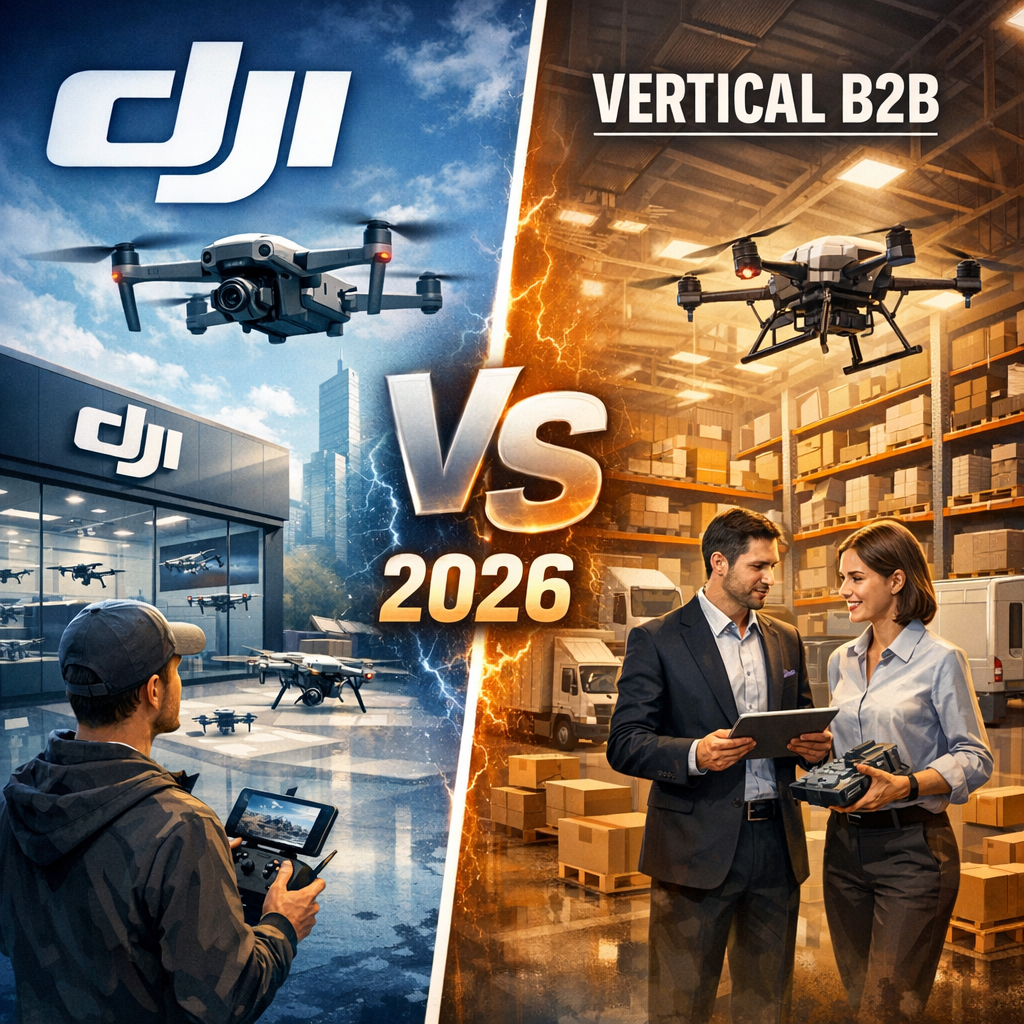
The drone industry has evolved quickly over the past few years. What used to be a relatively straightforward market centered on a few global brands is now a more complex ecosystem of manufacturers, distributors, marketplaces, and niche sourcing networks. In 2026, buyers must weigh direct manufacturer relationships against broad marketplaces and industry-specific B2B platforms that focus on drones, components, and accessories.
This shift has been driven by several factors:
- Faster product cycles and frequent hardware updates
- Greater demand for industry-specific drones for surveying, inspection, agriculture, and public safety
- More scrutiny around compliance, data security, and import regulations
- Rising expectations for technical support and integration services
In this environment, the sourcing channel you choose can either streamline your operations or create bottlenecks.
Why the Sourcing Channel Matters
For drone buyers, sourcing is not just a purchasing decision. It influences inventory stability, quality assurance, warranty access, replacement parts, and the ability to scale. A channel that works well for a small local reseller may not be suitable for an enterprise procurement team or a regional distributor.
A strong sourcing channel should help you answer questions such as:
Can the supplier provide consistent product availability?
Drone demand can spike suddenly in sectors like construction, energy, and emergency response. If your supplier cannot maintain stock or lead times, your business may face delays and lost opportunities.
Does the channel support compliance and documentation?
Depending on the country and application, you may need product certifications, customs paperwork, battery compliance information, and usage documentation. A reliable sourcing channel should reduce this burden rather than add to it.
What level of after-sales support is included?
Drones are technical products. Buyers often need help with firmware updates, repairs, calibration, payload compatibility, and training. Support quality can be just as important as product price.
Common Drone Sourcing Channels in 2026
There are several ways to source drones today, and each serves a different type of buyer.
Direct from Manufacturers
Buying directly from a manufacturer can offer better pricing, access to the newest models, and stronger control over product specifications. This is especially attractive for large buyers or organizations that need repeat orders.
Direct sourcing works best when you have:
- Stable demand
- Internal procurement expertise
- The ability to manage logistics and import processes
- A need for direct technical communication
However, direct purchasing may not be ideal for smaller buyers. Minimum order quantities, limited flexibility, and slower response times can be challenging, particularly if you need mixed product categories or rapid fulfillment.
Traditional Distributors
Distributors remain a major option, especially for companies that want local availability and regional support. A good distributor can simplify procurement by holding inventory, handling customs, and offering warranty service.
This channel is often suitable for:
- Retailers
- Local integrators
- Service companies
- Buyers who value faster delivery and localized support
The tradeoff is that distributor pricing may be higher, and product selection can be narrower than what you would find through direct channels or global platforms.
Vertical B2B Platforms
Vertical B2B platforms have become increasingly important for drone procurement. Unlike general marketplaces, these platforms focus on a specific industry and often curate manufacturers, verified suppliers, and category-specific products. For drone buyers, this specialization can be a major advantage.
These platforms often provide:
- Supplier verification
- Industry filters by application or payload type
- RFQ tools for bulk sourcing
- Comparison features
- Access to component suppliers and accessory vendors
A vertical platform is especially useful if you are sourcing drones for a particular use case such as mapping, inspection, or security. Instead of sorting through unrelated products, you can move directly to vendors that understand the application.
General B2B Marketplaces
Large, general B2B marketplaces still play a role in sourcing, particularly for commodity items, accessories, or price-sensitive bulk purchases. They may offer broad supplier access and competitive pricing, but the quality of vetting can vary widely.
These marketplaces are best used with caution. Buyers should verify certifications, ask for sample documentation, and confirm service terms before placing significant orders. For complex drone systems, the lack of specialization can create risk.
How to Evaluate a Drone Supplier
The supplier itself matters as much as the channel. Even within the same platform, quality can vary significantly. Before committing, evaluate each supplier using practical criteria.
Product authenticity and traceability
Confirm that products are genuine and sourced through authorized or verifiable channels. This is critical for brand-sensitive purchases, warranty claims, and safety compliance. Ask for serial tracking, authorized dealer status, and product origin details.
Technical expertise
A capable supplier should understand more than basic product features. They should be able to discuss payload integration, flight endurance, radio compatibility, software ecosystems, and industry applications. If the supplier cannot explain how the drone fits your workflow, they may not be the right partner.
Warranty and repair support
Drone downtime can be costly. Evaluate the supplier’s repair turnaround time, spare parts availability, and warranty claim process. Clear service terms are often a better indicator of reliability than a low quote.
Export and import readiness
International sourcing requires careful attention to shipping rules, battery restrictions, customs classification, and destination-country regulations. A supplier experienced in cross-border fulfillment can reduce delays and prevent expensive mistakes.
Matching the Channel to Your Business Model
The best sourcing path depends heavily on how you use drones.
For retailers and resellers
Retailers often benefit from a mix of distributor relationships and vertical B2B platforms. Distributors may supply fast-moving consumer models, while specialized platforms can help source niche enterprise products and accessories.
For enterprise buyers
Large organizations usually need consistent supply, documentation, and support. Direct manufacturer relationships or trusted vertical B2B platforms are often the best fit because they can handle custom requirements and recurring procurement.
For system integrators
Integrators need flexibility. They may purchase drones, payloads, batteries, software, and accessories from different sources. Vertical B2B platforms can help centralize sourcing while still allowing comparison across multiple vendors.
For service providers
Inspection firms, agricultural operators, and public safety contractors often prioritize reliability over the lowest price. They benefit from channels that offer training, quick replacements, and application-specific support.
Key Trends Shaping Drone Sourcing in 2026
Several trends are influencing how buyers choose their sourcing channel.
Increased specialization
The drone market is becoming more segmented. Buyers now look for platforms and suppliers that understand specific industries rather than generic product resellers.
Stronger compliance expectations
As regulations tighten, sourcing channels that provide certifications, import assistance, and transparent documentation will become more valuable.
More emphasis on ecosystem compatibility
Drones are increasingly purchased as part of a broader system that includes software, payloads, charging stations, and fleet management tools. Buyers need channels that can support the full stack.
Greater demand for verified suppliers
Trust is becoming a central issue. Verification, review systems, and supplier history are now major decision factors, especially for cross-border procurement.
Practical Steps to Choose the Right Channel
If you are deciding where to source drones in 2026, start with a structured approach.
Define your exact need
Identify whether you are sourcing consumer drones, enterprise drones, payload-ready platforms, spare parts, or accessory bundles. The right channel depends on the product category and use case.
Compare total cost, not just unit price
Include shipping, duties, warranty coverage, support, and potential downtime. A slightly higher upfront price may be worth it if the channel reduces operational risk.
Check supplier responsiveness
Before ordering, test how quickly and clearly the supplier responds to technical and commercial questions. This often predicts the quality of future support.
Review certifications and documentation
Ask for samples of compliance paperwork, warranty terms, and product datasheets. A trustworthy supplier should provide these without hesitation.
Start with a pilot order
If possible, place a smaller initial order before committing to larger volumes. This helps you validate product quality, shipping reliability, and post-sale communication.
Building a Sourcing Strategy for the Future
In 2026, successful drone buyers will not rely on a single sourcing model. Instead, they will build a flexible strategy that blends direct manufacturer access, distributor relationships, and specialized B2B platforms. This hybrid approach provides resilience, broader product access, and better control over quality and lead times.
The goal is to create a sourcing framework that supports growth. That means choosing channels that can scale with your business, adapt to regulatory changes, and provide consistent technical support. Whether you are buying a few systems or managing a large procurement pipeline, the right channel should make your operations easier—not more complicated.
As the market continues to mature, the most competitive buyers will be those who treat sourcing as a strategic capability. They will know when to buy directly, when to rely on regional distribution, and when to turn to vertical B2B platforms for specialized products and industry expertise. In a market as dynamic as drones, that flexibility is often the difference between efficient procurement and costly disruption.



Add comment