
A 4K drone gives creators, travelers, businesses, and hobbyists a sharper way to capture the world from above. It is a practical tool for filming landscapes, real estate, action sports, and social media content with clear, detailed footage.
However, 4K is only one part of the buying decision. When people compare models, they also look at camera quality, gimbal stability, flight time, range, obstacle avoidance, and ease of use. That is why the right choice depends on how you plan to fly and what kind of results you want.
What a 4K Drone Means and Why It Matters
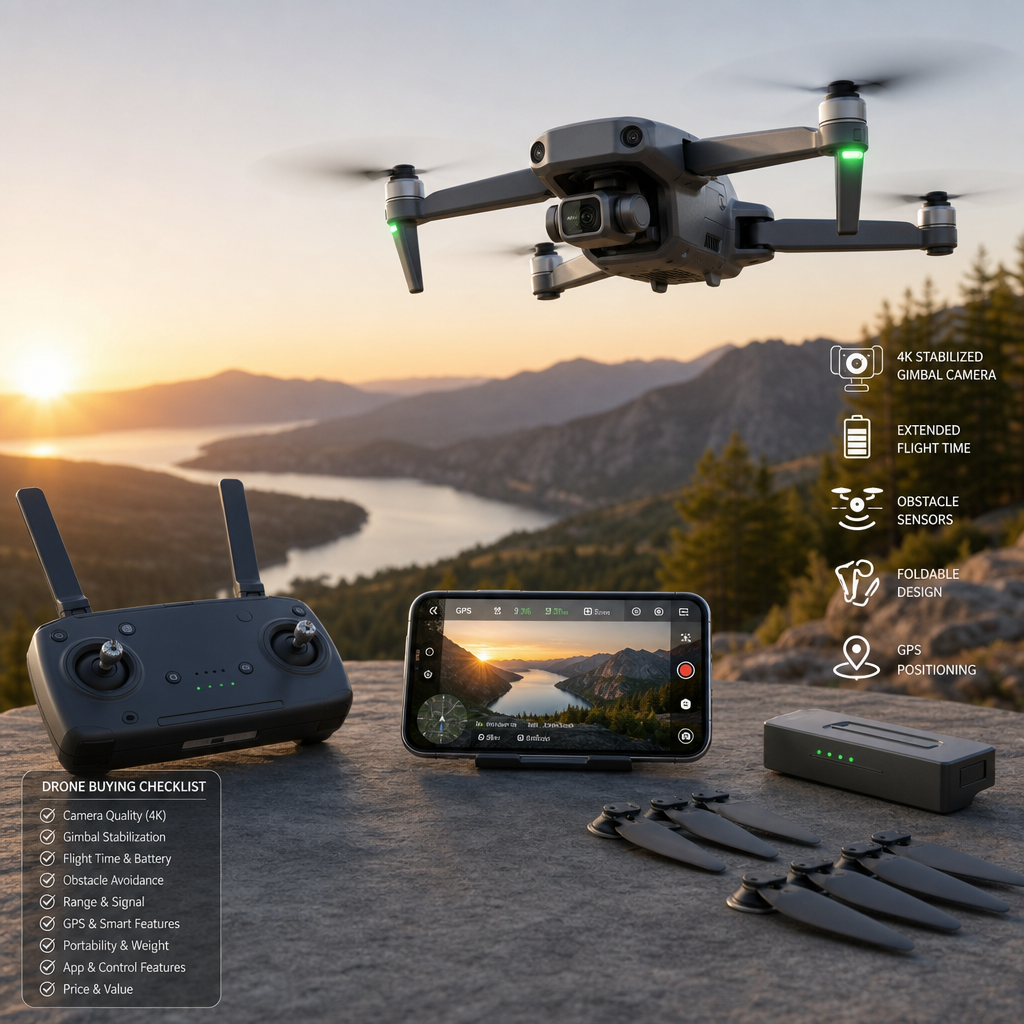
A 4K drone is more than just a flying camera. It is a tool that lets people record sharper aerial video than standard HD models can deliver. The jump to 4K can make a clear difference when you want polished footage for travel clips, marketing videos, or personal projects.
In simple terms, 4K usually refers to 3840 × 2160 pixels. That is four times the pixel count of 1080p Full HD video. Because of that extra detail, your footage can look cleaner, more cinematic, and more flexible in editing.
This matters for more than just image quality. If you crop, reframe, or stabilize video in post-production, the extra resolution gives you room to work. In other words, a 4K drone is useful even if you finally export your project in 1080p.
For buyers, that flexibility is one of the biggest advantages of a 4K drone. It gives you more room to edit without sacrificing sharpness.
Key Features to Look for in a 4K Drone
Not all models deliver the same real-world results. Two drones may both claim 4K recording, yet one may produce much better footage and a smoother flying experience than the other.
Before you choose a 4K drone, focus on the details that affect video quality, stability, and ease of use. Those features often matter more than marketing claims.
Camera Sensor and Lens Quality
Resolution alone does not guarantee great video. A larger sensor often performs better in low light and captures more detail and dynamic range. Lens quality also matters because sharp optics help reduce blur and distortion.
When you compare products, look for:
- A larger sensor size
- Adjustable aperture
- HDR support
- Higher bitrate recording
- True 4K at a useful frame rate
For example, a strong sensor and a well-made lens can create more cinematic footage than a cheaper drone with the same headline resolution.
That is why a 4K drone with a better sensor often delivers more natural colors and cleaner detail.
Gimbal Stabilization
A gimbal keeps the camera steady during flight. Since drones move constantly, a 3-axis gimbal is one of the most important features for smooth video.
Without proper stabilization, even a 4K drone can still produce shaky footage. A good gimbal helps when you are flying in mild wind, turning slowly, or recording cinematic pans.
In practice, stabilization often matters as much as resolution.
For smooth aerial footage, a 4K drone with strong gimbal control usually feels far more professional.
Flight Time
Battery life affects how much you can capture in one session. Many consumer drones offer around 20 to 35 minutes of flight time per battery, depending on conditions and flying style.
Longer flight time helps you capture multiple takes, explore more locations, and avoid rushing your shots. It also reduces interruptions for battery swaps.
Keep in mind that advertised flight time is usually measured in ideal conditions. Real-world performance may be shorter if it is windy, cold, or if you fly aggressively.
When you compare a 4K drone, flight time can be the difference between one short clip and a full shooting session.
Range and Transmission Quality
The control range determines how far the drone can fly from the pilot, while transmission quality affects how reliably you can see the live camera feed. A strong connection matters because it helps you frame the shot and fly with confidence.
Look for stable HD live view, low latency, strong transmission range, and reliable signal in urban or obstructed areas. These features make flying easier and help you keep control of the shot.
If you are comparing models, take a look at the S-X1 GPS Drone with Screen Remote 3-Axis Gimbal 4K 30min Flight Wholesale as an example of a product built around practical flight and imaging features.
A dependable connection also helps a 4K drone perform better in busy environments where signal stability matters.
Obstacle Avoidance
Obstacle avoidance can help prevent crashes by detecting objects in front, behind, below, or around the drone. This feature is especially helpful for beginners and for flying in more complex environments.
It can reduce risk when you are flying near trees, recording in tight spaces, or shooting around buildings. Even so, obstacle avoidance is not perfect, so pilots should still stay alert and fly carefully.
For a 4K drone, obstacle avoidance adds a useful safety layer, especially if you are learning or filming in crowded areas.
Portable Design and Ease of Use
Many 4K drones fold down for travel. If you plan to take your drone on trips, portability matters. A compact design is easier to pack, carry, and set up quickly.
User-friendly features can include one-touch takeoff and landing, GPS return-to-home, beginner flight modes, intelligent subject tracking, and simple app controls. A drone that is easy to fly often leads to better footage because you spend less time fighting the controls.
That convenience is one reason many buyers choose a foldable 4K drone instead of a larger setup.
Who Should Buy a 4K Drone?
A 4K drone can suit many kinds of users, but it is especially valuable for people who want strong visual content.
Content Creators
YouTube creators, vloggers, and social media editors often use drone footage to add movement and scale to videos. Aerial clips can turn a basic project into something more cinematic and engaging.
For example, a travel vlog can include a wide shot of a coastline, a reveal shot of a mountain lodge, and a tracking shot over a forest trail. These shots create variety and help the final edit feel more professional.
If your goal is more polished content, a 4K drone can give you the extra detail you need.
Real Estate Agents and Property Marketing
A 4K drone is extremely useful in real estate. It can show the property, lot size, surrounding area, neighborhood layout, and nearby amenities. Buyers often appreciate aerial views that ground-level photos cannot provide.
Common real estate uses include exterior property showcases, roof and land inspection visuals, luxury home presentations, and neighborhood overview shots. Even a modest property can look more appealing with clean aerial video.
That is why many listing teams now rely on a 4K drone for marketing content.
Travelers and Outdoor Enthusiasts
If you enjoy mountains, beaches, lakes, or road trips, drone footage helps you capture memories in a more dramatic way. Aerial video can show the full beauty of a destination better than a handheld camera alone.
A 4K drone is especially useful when you want wide scenic shots that stand out on social media or in travel edits.
Small Businesses and Marketers
Businesses use aerial footage for promotional videos, websites, event coverage, construction updates, and brand storytelling. It works especially well for tourism, hospitality, agriculture, and property management.
For many brands, a 4K drone can add production value without requiring a full video crew.
How to Get Better Footage with a 4K Drone
Owning a 4K drone is only the beginning. Good results depend on flying well and filming with intention. A few simple habits can make a big difference in the final video.
Plan Your Shots
Before takeoff, think about what you want to capture. A little planning can improve the final result significantly and save battery life.
Useful shot ideas include wide establishing shots, slow reveal shots, orbit shots around a subject, low-altitude tracking shots, and top-down patterns and textures. If you are filming a beach, for example, you might start wide, follow the waves, and finish with a pull-back reveal.
Planning also helps your 4K drone footage feel intentional instead of random.
Fly Smoothly
Sudden movements can make footage look amateurish. Try to move the drone slowly and deliberately. Smooth control inputs help keep the video stable and cinematic.
Useful habits include avoiding fast turns unless they are intentional, using gentle throttle changes, practicing straight lines, and keeping movements simple.
When you fly with patience, a 4K drone can produce much cleaner shots.
Pay Attention to Lighting
Lighting can have a huge impact on drone video. The best times to fly are often early morning or late afternoon, when the sun is lower and shadows are softer.
Good lighting improves detail, reduces harsh glare, enhances color, and makes landscapes look richer. Midday sun can create washed-out highlights and deep shadows, especially in open outdoor scenes.
For the best results, time your 4K drone flights around soft, natural light.
Use the Right Settings
If your 4K drone allows manual settings, take time to adjust them. Useful settings include resolution, frame rate, white balance, ISO, shutter speed, and color profile.
For example, shooting in 4K at 30 fps often works well for general footage, while 60 fps can help with smoother motion or slow-motion editing. A lower ISO usually reduces noise, especially in bright conditions.
These settings can make a noticeable difference in how polished your 4K drone video looks.
Edit Your Footage Carefully
Aerial footage often looks even better after editing. Simple color correction, trimming, stabilization, and music can improve the final result without making it feel overworked.
Useful editing steps include removing shaky clips, adjusting exposure and contrast, enhancing color slightly, adding transitions only when needed, and keeping the pacing clean and purposeful.
With light editing, 4K drone clips can feel more refined and easier to share.
Common Mistakes to Avoid
Even with a good 4K drone, a few common mistakes can limit your results. Avoiding them will help you get better footage and a safer flying experience.
Overlooking Drone Laws
Rules vary by country and region. Some areas require registration, pilot certification, or restrictions on where and how you can fly. Always check local regulations before flying.
Before your first flight, make sure your 4K drone use follows the rules where you live.
Chasing Resolution Alone
A camera labeled 4K may still produce disappointing footage if the drone has weak stabilization, poor transmission, or a low-quality sensor. Focus on the entire package, not just the resolution tag.
This is one of the most common mistakes buyers make when shopping for a 4K drone.
Flying Without Practice
First-time pilots often struggle with direction, altitude, and orientation. Practice in an open area before attempting complex shots or flying near obstacles.
A little practice goes a long way with any 4K drone.
Ignoring Wind Conditions
Small drones can struggle in strong wind, which affects stability and battery life. Always check the weather and avoid risky flights.
Wind can also reduce the quality of 4K drone footage by creating jitter and drift.
Forgetting Spare Batteries and Storage
A great flight can end quickly if your battery dies or your memory card is full. Bring extras so you do not lose filming opportunities.
Extra batteries help you make the most of every 4K drone session.
How 4K Drone Footage Is Used in Real Life
4K Drone video is useful because it adapts to many different goals. It can support creative projects, business marketing, inspection work, and personal memories.
Travel Videos
Travel creators use drone shots to show landscapes, landmarks, and movement between locations. Aerial footage adds scale and excitement to destination content.
That wide perspective is one reason a 4K drone works so well for travel storytelling.
Weddings and Events
Drone shots can capture outdoor venues, guest arrivals, and scenic backdrops. Used carefully, they add elegance and a sense of occasion.
For event coverage, a 4K drone can create memorable establishing shots.
Construction and Inspection
Contractors and property managers use drone video to document progress, inspect roofs, and monitor large sites. The extra detail makes it easier to review conditions from above.
A 4K drone can also help teams keep visual records over time.
Agriculture
Farmers use drones to monitor crops, irrigation, and field conditions. Even when the purpose is practical rather than creative, high-resolution footage helps with analysis and records.
In these settings, a 4K drone is often valued for clarity as much as convenience.
Is a 4K Drone Worth It?
For many users, yes. A 4K drone offers strong value because it combines portability, advanced imaging, and creative flexibility. It can serve beginners who want room to grow and experienced users who need high-quality footage.
It is worth considering if you want sharper video than 1080p can provide, more editing flexibility, a more professional visual look, better content for business or social media, and a drone that can grow with your skills.
However, if you only want casual flying and occasional snapshots, a simpler drone may be enough. The right choice depends on how often you fly and how important image quality is to you.
For many buyers, a 4K drone becomes more valuable the more they use it.
Top Picks Worth Considering
If you are comparing models and want to narrow your options, start with drones that balance camera quality, flight stability, and smart features. For many buyers, a foldable design with a reliable gimbal and GPS support provides the best mix of convenience and performance.
One example is the Z105 Drone with Large Screen Remote 4K Camera Foldable Wholesale, which fits shoppers looking for an easy-to-carry option with a 4K camera setup. Another model to compare is the S8S Triple Camera Brushless Foldable Drone 4K Aerial Photography Wholesale, especially if you want more imaging flexibility.
If you want to explore more options in one place, browse the full collection of drone supply source products and compare the features that matter most for your use case.
Comparing several models side by side can help you choose the right 4K drone for your budget and filming goals.
Drone Laws and Safety Basics
Before you fly, learn the basic safety rules in your area. In the United States, for example, the FAA provides clear guidance for recreational and commercial drone operators. You can review the official rules at the Federal Aviation Administration drone page.
Even if your region has different requirements, the general safety habits are similar. Keep the drone in sight, stay aware of people and property, avoid restricted areas, and check weather conditions before every flight.
Simple preparation also helps. Charge your batteries, format your memory card, inspect the propellers, and confirm that return-to-home settings are correct. These steps take only a few minutes, but they can prevent bigger problems later.
A safe flight routine protects both your equipment and your 4K drone footage.
Conclusion
A 4K drone offers a powerful mix of aerial freedom and high-resolution video quality. It is a smart choice for creators, travelers, businesses, and anyone who wants cinematic footage from above.
The best results come from more than just resolution. Camera quality, stabilization, flight time, range, and ease of use all play a major role. If you plan ahead, fly smoothly, and choose the right model for your needs, a 4K drone can open up a new way to capture the world with clarity and style.
Whether you are filming for fun or building content for clients, the right setup can help you create cleaner shots and more professional results every time.
In short, the right 4K drone can make aerial filming easier, sharper, and more rewarding.

Add comment